Share This Course
Share Link
Share on Social Media
Share by Email
Please login to share this Understanding Trauma and Recovery by email.
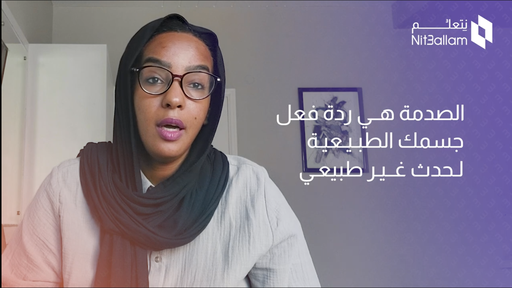
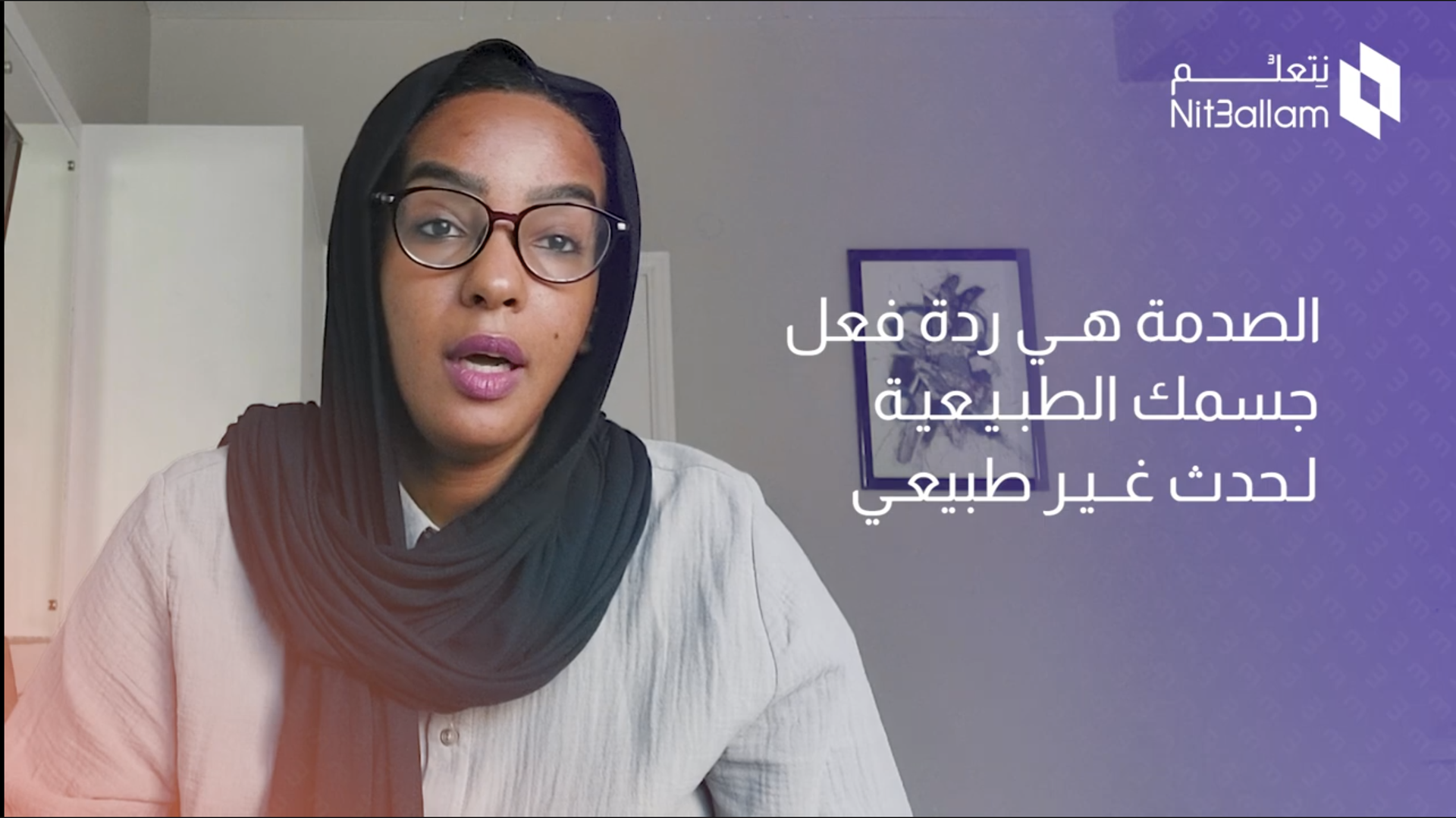
Understanding Trauma and Recovery
Presented by: Hala Taha, Psychiatrist with a Master’s degree in Psychological Counseling.
Nit3allam presents a short and accessible four-video course on trauma, designed to help people understand how the mind and body respond to traumatic experiences, recognize the signs and symptoms, know when and how to seek support, and begin the journey toward recovery.
Course Content
Video 1 defines trauma and explains how the body and mind respond to traumatic events, including what we can do immediately after experiencing trauma.
Video 2 explores the signs and symptoms of trauma and post-traumatic stress disorder (PTSD), and how to recognize and understand their impact.
Video 3 focuses on what survivors can do when they realize they are experiencing trauma, including who to reach out to and how to seek appropriate support.
Video 4 explores the journey of healing and building resilience, and how we can continue moving toward recovery despite the difficulties and challenges that may come with the experience.
Who Is This Course For?
The course is designed as a short and practical introduction to trauma and recovery, suitable for anyone who wants to better understand trauma, learn how to seek support and cope with its effects, and begin their journey toward healing.
Related lessons!
Introduction:
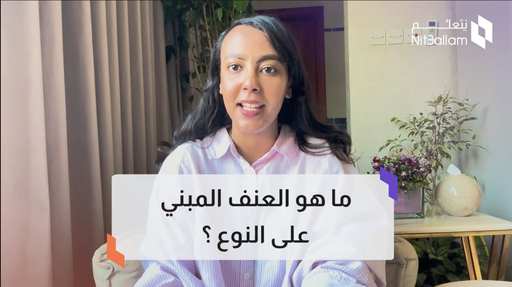
With the support of the Doria Feminist Fund, the "Nit3allm" platform is offering an introductory course on Gender-Based Violence (GBV) and psychosocial support. This course responds to an urgent need to address the effects of violence experienced by Sudanese women, particularly those affected by the April 15 war.
This course aims to:
- Raise awareness about gender-based violence and its multiple forms.
- Provide psychosocial support to women survivors of violence.
- Equip participants with the necessary skills to cope with psychological trauma and begin the healing journey.
- Empower women to speak openly about their experiences as survivors and as allies.
Course Content:
- Understanding GBV: A comprehensive definition of gender-based violence, its causes, and its impacts on women.
- Forms of GBV in society: Exploring various forms of violence, including physical, sexual, psychological, and economic violence.
- Initial interventions for trauma recovery: Participants will learn essential skills to deal with psychological trauma, such as relaxation techniques and deep breathing.
- Coping with Post-Traumatic Stress Disorder (PTSD): Information will be provided about the symptoms of post-traumatic stress disorder, how to identify it, and treatment methods.
- Accessing help: Participants will be introduced to available resources and services for women survivors of violence, such as shelters, hotlines, and legal support.
- Starting the healing journey: Practical steps to help women begin their path to healing from violence and building a better future.
- Speaking out about GBV as a survivor: Participants will gain important skills for speaking openly about their experiences, breaking the silence.
- Speaking out about GBV as an ally: Participants will be empowered to support survivors and raise awareness about gender-based violence.
Who is this course for?
This course is designed for women who have experienced gender-based violence in any form—physical, sexual, psychological, or economic.
It is also open to activists and those interested in women's issues and human rights.
Note:
- The course is free of charge.
- The course is offered online through the "Nit3allm" platform.
- We hope this course contributes to raising awareness on GBV and supporting women survivors.
Presented by: Hala Taha, Psychiatrist with a Master’s degree in Psychological Counseling.
Nit3allam presents a short and accessible four-video course on trauma, designed to help people understand how the mind and body respond to traumatic experiences, recognize the signs and symptoms, know when and how to seek support, and begin the journey toward recovery.
Course Content
Video 1 defines trauma and explains how the body and mind respond to traumatic events, including what we can do immediately after experiencing trauma.
Video 2 explores the signs and symptoms of trauma and post-traumatic stress disorder (PTSD), and how to recognize and understand their impact.
Video 3 focuses on what survivors can do when they realize they are experiencing trauma, including who to reach out to and how to seek appropriate support.
Video 4 explores the journey of healing and building resilience, and how we can continue moving toward recovery despite the difficulties and challenges that may come with the experience.
Who Is This Course For?
The course is designed as a short and practical introduction to trauma and recovery, suitable for anyone who wants to better understand trauma, learn how to seek support and cope with its effects, and begin their journey toward healing.